
How Prioritization Works
Before we dive into the debate, let’s first define how prioritization works. You see, for the most accurate assignment of customers to target groups, and thus to campaigns, Optimove performs a centralized calculation of campaign eligibility per customer.
When marketers know best – Marketer-led
Let’s start with manual prioritization. Manual prioritization allows you to determine which target groups and campaigns are more important for you. By prioritizing target groups higher, you can make sure customers will receive specific messages even in cases where they conflict with other campaigns. In the aforementioned batch process, Optimove will run through your manually prioritized campaigns from top to bottom, assigning customers as it goes.
- Limit its use as much as possible since usually as the number of campaigns grows, the ability to distinguish between their importance drops. Our rule of thumb is ~10 manually prioritized campaigns.
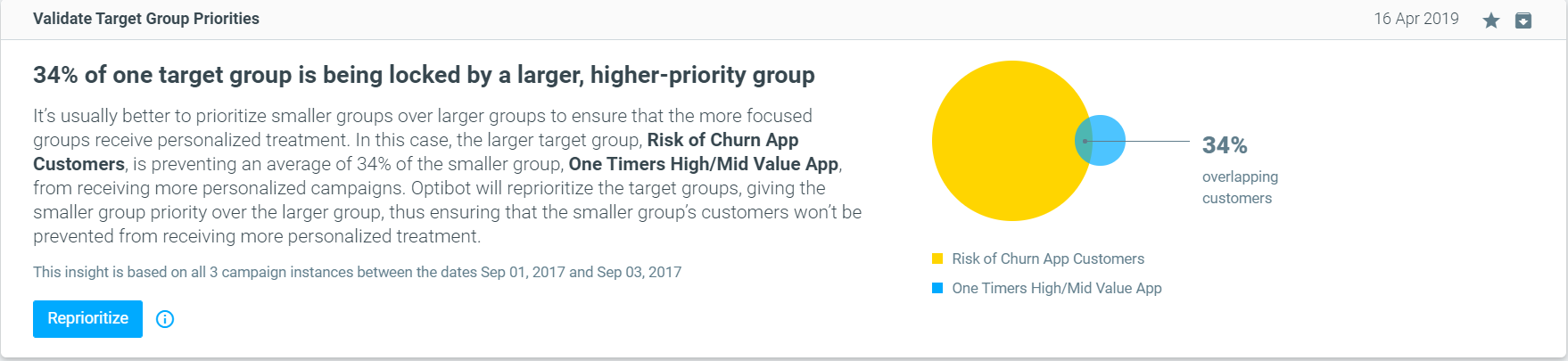
- Place smaller, more granular target groups higher than broader ones to avoid “blocking” them.
When marketers think they know best – AI-assisted
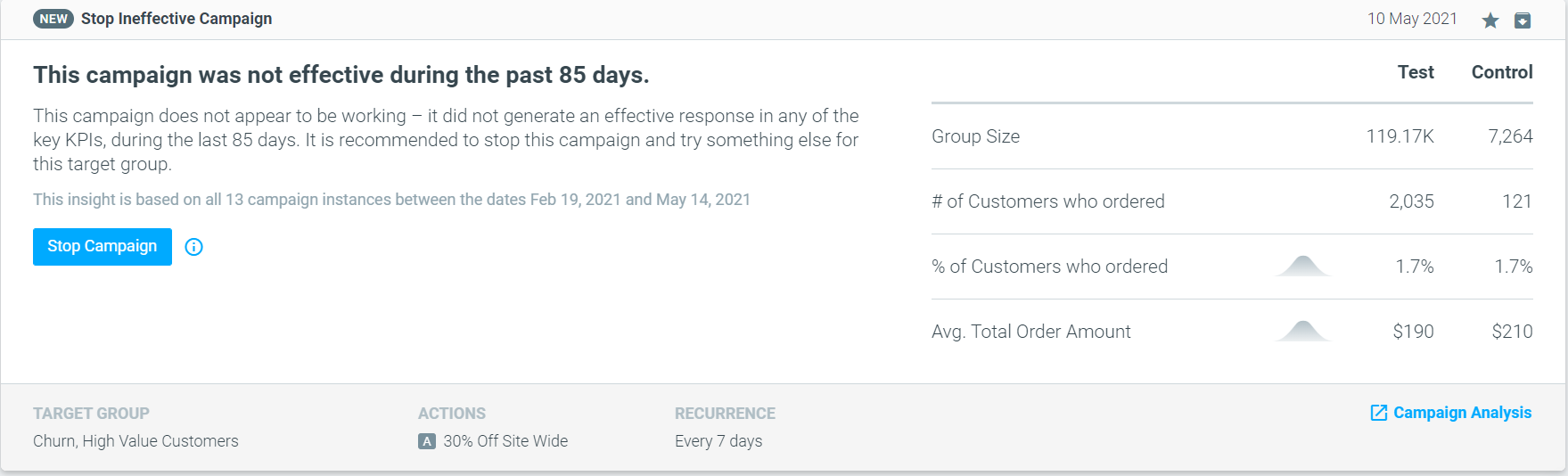
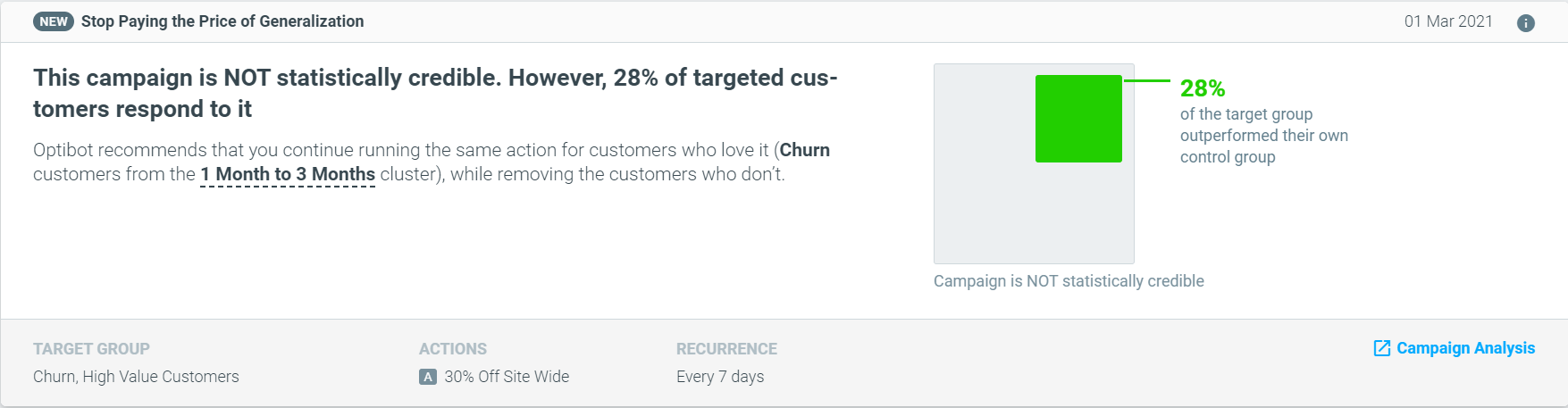
As much as we’d love to say everyone sticks to the two simple rules mentioned above, this isn’t always the case. That is where Optibot, and what we call AI-assisted or regulated prioritization, steps in.
When marketers want to scale – AI-led
And then we have the rest. As we said before, manual priority has its place, but it is limited. Especially if you want to scale.
> From our blog
Methodologies of Orchestration
If you want to dive deep into marketing orchestration practices, our three-part blog series covers everything you need to know. But do yourself a favor and start with part 1.